
The Meaning of Being More Than a Crime
Just MercyThis thread traces how the book resists reducing people to their worst acts while maintaining the reality of harm and responsibility.
increasing Bearing strength in each event
 decreasing
Bearing strength in each eventdecreasingWalter’s Reputation

A Whole Person in a Small Town
Work and flaws
Walter is industrious and generous but also makes poor choices in his relationships.
A label takes over
Once accused, his affair and racial identity become a substitute for evidence. The community’s suspicions make a complicated person seem like a ready-made criminal.
Herbert’s Crime and His History

Accountability with Context
A grave harm
Herbert’s bomb kills a child and devastates a family.
Missing context
His military trauma and serious mental-health history could have helped a jury understand culpability and sentence. A full account does not excuse the crime; it makes judgment more accurate.
Charlie’s Violence and Vulnerability
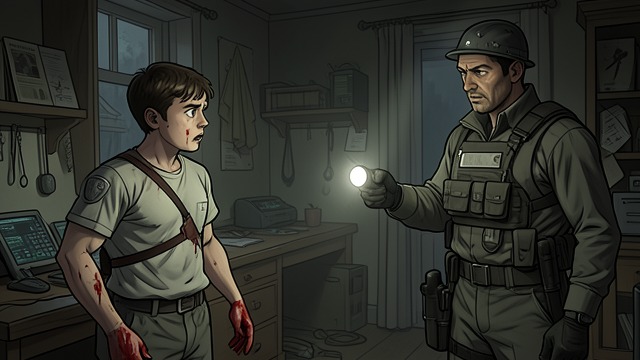
A Child Cannot Be Only a Defendant
Harm in context
Charlie kills George after years of witnessing violence against his mother.
Protection also matters
The adult jail subjects Charlie to sexual abuse. Understanding his act requires seeing both the harm he caused and the harm institutions then inflicted on him.
Ian and Debbie’s Relationship

Remorse and Recognition
A victim is heard
Ian apologizes to Debbie for shooting her, and she chooses to remain in contact.
Identity can change
Debbie acknowledges the seriousness of his crime while seeing a young person capable of remorse and development. Their relationship refuses a single permanent label.
The Book’s Central Claim
Beyond the Worst Act
A shared human condition
Bryan tells clients that a lie does not make a person only a liar and a killing does not make a person only a killer.
Justice with room for change
The claim opposes permanent dehumanization. It asks society to protect people while still recognizing their capacity for remorse, growth, and repair.
Before the Morrison murder case
During the capital proceedings against Herbert
After George’s death
During Ian’s confinement
At the close of Bryan’s reflections
